
Scammers are becoming more sophisticated every year, and seniors remain one of their biggest targets. They strike through phone calls, emails, texts, fake websites, social media, and even in person. Many older adults grew up in a time when people kept their word, businesses were trustworthy, and strangers were kinder. Today’s scammers exploit that trust. But the good news is that once you understand how these criminals operate, you can protect yourself and your loved ones.
One of the most common tactics scammers use is emotional manipulation. They try to create a sense of fear, urgency, or confusion. For example, a scammer might pretend to be a grandchild in trouble, claiming they were in an accident or arrested. They beg for money and insist the senior must not tell anyone. These scams work because they trigger panic. When emotions rise, logic often becomes cloudy. If a call or message tries to pressure you to act immediately, that is a major red flag.
Another way scammers target seniors is through fake financial opportunities. Promises of risk-free investments, incredible returns, or secret government programs are designed to sound too good to be true. And they are. Scammers know many seniors worry about money lasting through retirement, so they disguise their schemes with official-looking logos, formal language, and false guarantees. Real financial institutions never pressure you to invest right away, never demand secrecy, and never promise guaranteed profits.
Technology-based scams are also increasing. Seniors may receive emails or texts that look like they come from a bank, delivery company, or government office. These messages often contain links that steal personal information or infect devices with malware. Others may involve tech-support scams, where criminals call pretending to be from Microsoft or another major company, claiming your computer has a virus. They ask to “fix” the issue by accessing your device remotely. Once inside, they steal passwords, bank numbers, and personal files. Legitimate companies do not call customers out of nowhere to fix a device.
Healthcare-related scams are another huge threat. Fraudsters might offer fake medical devices, miracle cures, or discounted prescriptions, all designed to trick seniors who may have ongoing health concerns. Some even imitate Medicare or insurance agents to collect Social Security numbers. Medicare will never call and ask for personal details unless you initiated the contact. Always treat unsolicited offers or requests with skepticism.
Isolation plays a major role in why seniors are targeted. Scammers know that people who live alone may appreciate conversation, trust easily, or lack someone to double-check suspicious claims. That is why relationship scams are common. Criminals may pretend to be a lonely widower, an old classmate, or someone looking for companionship. Over time, they build emotional trust before asking for money. Genuine relationships do not demand money, secrecy, or rushed decisions.
So how can seniors protect themselves? The first step is awareness. Understanding that scams exist makes you far harder to fool. Keep this simple rule in mind: If something feels off, unusual, or rushed, pause before acting. Scammers rely on pressure. Taking a moment to breathe and think can disrupt their entire plan.
Another key protection is verifying everything. If someone calls claiming to be a grandchild, hang up and call the child or a family member directly. If a bank emails you about an issue, never click the link. Instead, go to the bank’s website manually or call their official number. If Medicare contacts you unexpectedly, ignore the message and call the number printed on your Medicare card. Verification removes the scammer’s power.
Protecting personal information is equally important. Never share your Social Security number, bank details, or passwords with anyone who contacts you first. Real companies do not ask for sensitive data through email, text, or unknown callers. And never give anyone remote access to your computer unless it is a verified technician you contacted yourself.
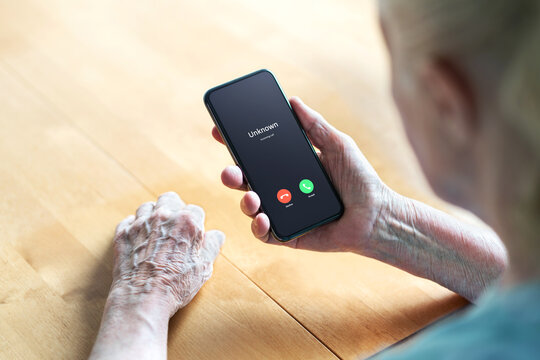
Consider setting up call-blocking tools, which filter out known scam numbers. Many phones also allow you to silence unknown callers. Email providers have spam filters to flag suspicious messages. Enabling these features creates an extra layer of safety.
Another strong defense is open communication with trusted family or friends. Talking about any strange messages, offers, or calls can help detect scams early. Scammers thrive on secrecy. Breaking that secrecy makes it much harder for them to succeed.
Lastly, trust your instincts. Seniors often say afterward, “Something didn’t feel right.” That feeling is important. Your intuition is one of your strongest protections. If you are unsure, pause, double-check, and never feel embarrassed to ask for help. Scammers depend on people feeling ashamed or hesitant. But staying safe is far more important than appearing polite.







Comments
No comments yet. Be the first to share your thoughts!