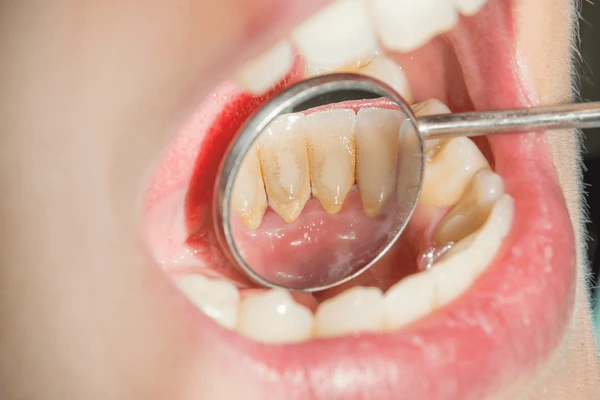
Dental plaque and tartar are common problems many people face. Plaque is a sticky film of bacteria that forms on teeth and gums. If not removed, it can harden into tartar (also called dental calculus) which becomes more difficult to remove and may lead to gum disease and tooth decay.
While professional dental cleaning remains the gold standard for removing tartar, there are natural methods you can incorporate at home to support oral health, slow buildup, and possibly reduce the risk of advanced problems. This article explores what the research says, safe routines you can adopt and realistic expectations.
Plaque vs Tartar
Plaque is a soft, sticky layer of bacteria and food residues that forms continuously on your teeth surfaces. It can usually be removed by regular brushing and flossing.
Tartar, by contrast, is what happens when plaque mineralises and hardens, often under the gum line. Once tartar forms, it firmly binds to the tooth surface and cannot be removed simply with a toothbrush. A trained dental professional typically must remove it using special tools.
Prevention of tartar begins with managing plaque effectively. The moment plaque hardens, it becomes much harder to eliminate at home.
What the Research Tells Us
-
Studies show that brushing twice a day with fluoride toothpaste and flossing once a day is the most reliable way to remove plaque and help prevent tartar.
-
A review of herbal oral-care products found that some herbal extracts (for example Camellia sinensis, Azadirachta indica) did reduce plaque and gingival inflammation.
-
Another study compared toothpaste formulas: ones containing sodium bicarbonate (baking soda) removed more plaque than conventional formulas in a single brushing session.
-
Nevertheless, many sources emphasise: once tartar has formed, home remedies can support but not fully remove it. Professional cleaning remains necessary.
In short, the strongest benefit of home remedies lies in prevention, slowing progression and supporting the health of gums and teeth. They should be used as part of a broader oral-care routine rather than a replacement for regular dental check-ups.
Here are specific, research-backed or widely recommended methods you can safely try at home, with steps and caution.
1. Thorough Brushing and Flossing
Never skip the basics. Brushing at least twice per day and flossing once daily remain the most effective way to stop plaque from turning into tartar. Use a soft-bristle toothbrush and take at least two minutes to cover all surfaces, paying particular attention to gum-lines and behind molars.
Flossing helps remove food particles and plaque between teeth where a brush cannot reach. Consistent flossing reduces risk of gum disease and tartar formation.
2. Baking Soda Paste
Baking soda (sodium bicarbonate) is a mild abrasive that can help remove plaque and surface stains. Clinical studies show that formulas containing baking soda removed significantly more plaque than non-baking soda products.
How to use: mix a small amount of baking soda with water to form a paste. Gently brush teeth with this paste 1-2 times per week. Do not overuse, as abrasives may wear enamel if used too aggressively.
Safety tip: Avoid brushing with baking soda more than 2-3 times a week and do not apply to sensitive areas without consulting a dental professional.
3. Vinegar (White or Apple Cider)
Vinegar contains acetic acid which may assist in reducing plaque accumulation. A study found that apple cider vinegar mouth rinse led to significant decrease in plaque.
How to use: dilute a small amount of white or apple cider vinegar in water (for example one teaspoon into one cup of water) and swish gently for about 30 seconds before brushing. Use only 1-2 times per week at most.
Important caution: Vinegar is acidic and, if overused, can erode tooth enamel. Rinse thoroughly with plain water afterward.
4. Oil Pulling
Oil pulling is an ancient practice where you swish a tablespoon of oil (coconut, sesame or sunflower) in your mouth for 10-20 minutes, then spit it out and rinse. It may help reduce bacteria and support oral hygiene.
How to use: First thing in the morning, before eating or drinking, take a tablespoon of coconut or sesame oil. Swish gently around all surfaces of your mouth for 10-15 minutes then spit and rinse. Brush afterwards.
Note: This is a supportive practice – it should not replace brushing and flossing.
5. Crunchy Fruits and Vegetables + Natural Abrasives
Chewing crunchy fruits and vegetables like apples, carrots and celery increases saliva flow and mechanically cleans teeth surfaces. Some sources recommend orange peels, sesame seeds and guava leaves as natural abrasives and antibacterial supports. Sendhil Dental Clinic+1
How to use: Include raw crunchy vegetables or fruits as snacks. After meals, chew fresh produce rather than reaching for processed snacks. Optionally, rub the inner white part of an orange peel on your teeth for about two minutes before bed.
Remember: These methods help but are not stand-alone solutions for heavy tartar deposits.
6. Herbal Mouth Rinses and Toothpastes
Some herbal extracts provide antibacterial and anti-inflammatory benefits for gums and oral tissues. A review found certain herbs reduced plaque and gingival inflammation though the efficacy varied.
How to use: Choose a toothpaste or rinse that contains proven herbs such as green tea extract, neem, or other botanical ingredients. Use daily as part of your oral care routine.
Realistic Expectations and Professional Care
While these home remedies offer support, there are important limitations to understand:
-
If tartar is already hardened and well-established, only a professional dentist or hygienist can safely remove it.
-
Home remedies will not substitute for regular dental cleanings. They serve to maintain and slow new buildup.
-
Over-enthusiastic use of abrasives, acid rinses or home tools may damage enamel, gums or existing dental work.
-
Daily habits, diet, hydration and lifestyle have major influence on how fast plaque forms and hardens.
In other words: think of home remedies as supportive rather than curative when it comes to major tartar. Prevention is within your control; extensive removal remains professional territory.
Safe Weekly Routine for Home Oral Prevention
Here is a sample weekly plan you can adapt for your home routine:
Day 1 (Monday morning):
Brush with fluoride toothpaste for two minutes, floss. Use baking soda paste in the evening for added cleaning (just once this week).
Day 3 (Wednesday evening):
Oil pulling 10-15 minutes before brushing. Follow with normal brush.
Day 5 (Friday afternoon):
After lunch choose raw crunchy veggies or fruits. After dinner, rinse with diluted apple cider vinegar mixture, then rinse with water.
Day 7 (Sunday morning):
Normal brushing and flossing only. Evening: use a herbal toothpaste/rinse containing natural extracts. Reflect on the week’s consistency and notice any new sensations (cleaner feeling, less buildup, gum comfort).
Repeat weekly. Each month reassess: do you observe less new plaque, better gum health or easier brushing? If yes, continue. If you feel increased build-up, sensitivity or notice darkened tartar lines near gum margins, schedule a professional cleaning.
Diet, Lifestyle and Oral Health Connections
Your mouth is strongly linked to your body’s overall health. Here are important points:
-
Sugary, starchy foods and frequent snacking feed the bacteria that produce plaque and acid. Reducing these foods slows plaque formation.
-
Dehydration and low saliva flow increase plaque risk because saliva helps neutralise acid and wash food particles away. Stay hydrated.
-
Smoking, stress and poor sleep impact gum health and the mouth’s ability to repair itself.
-
Regular dental check-ups every 6 months help catch early problems before they escalate.
Dental plaque and tartar build-up present real risks to your oral health and, by extension, your overall wellness. The good news is you have strong home-based tools to support your mouth’s cleaning processes, reduce risk and maintain healthy gums and teeth.
Brushing twice daily, flossing daily, using baking soda or herbal toothpastes, practising oil pulling, drinking water, eating crunchy produce and limiting sugar all help form a strong defence. At the same time, accepting that hardened tartar requires professional removal will keep expectations realistic and your oral health on track.








Comments
No comments yet. Be the first to share your thoughts!